
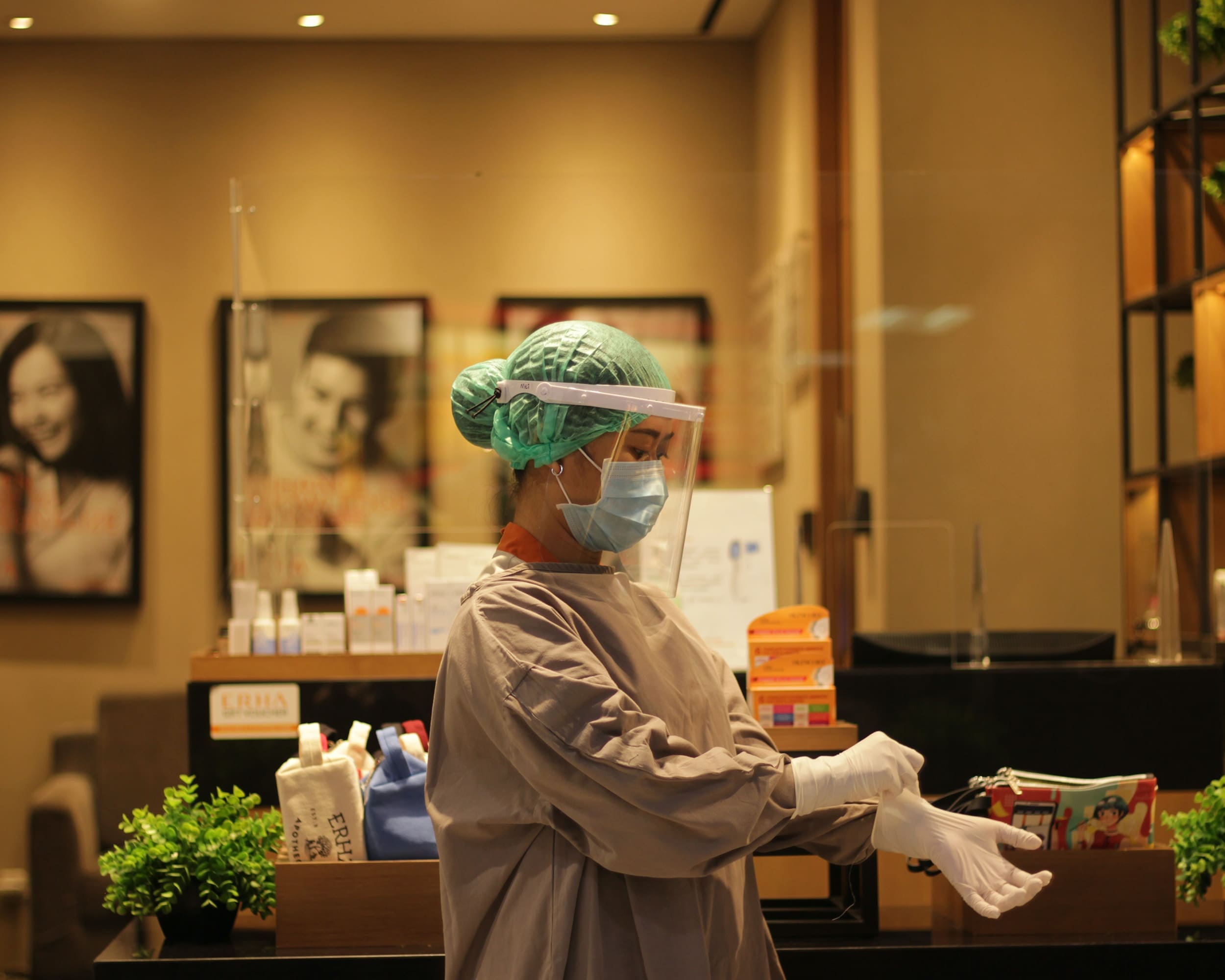
The unfaltering healthcare is patient safety, since individuals’ well-being is on the line. The careful handling of potential harm to patients is fundamental to ensuring their safety. Harm on patients not only causes suffering but may also result in lawsuits. This is especially true when a patient suffers harm due to negligence through medical professionals. A nurse is on the verge of losing licensure if they are found guilty of neglect towards patient’s care. In this post, we will explore patient safety in depth, focusing on the importance of recognizing and reducing risks.

A great many things come together in healthcare environments to affect patient outcomes, making them like living ecosystems. A complicated web of risks for damage is created by factors such as patient-specific concerns, environmental hazards, and procedure intricacies. Thorough and organized evaluations form the basis of good risk management.
As a compass, these assessments help healthcare providers traverse the varied terrain of each patient’s condition, going beyond simple identification. Early threat recognition allows healthcare providers to proactively adjust their approach, preventing patients from unnecessary injury.
Finding potential dangers is just the warm up; what really matters is how you deal with them. This reaction manifests as individualized treatment programs, which are tailor-made road maps developed to meet the specific requirements of each patient. They also address any dangers that have been identified. As healthcare providers pool their knowledge and experience, collaboration emerges as a defining characteristic. The dynamic nature of these treatment programs allows them to change as a patient’s condition does.
Nurses with advanced nursing careers make even better nursing care plans. The practical skills of a nurse with post masters nursing certificates cannot compare to regular nurses. They have broader knowledge and expertise in alleviating risk of injuries towards the patients. Health care providers will have a thorough plan to reduce risks and prioritize the needs of their patients thanks to these documents, which are like living documents.
Effective and brief communication is the bedrock of patient safety. When it comes to healthcare teams, communication is key. It helps everyone work together seamlessly, which is really essential.
Faster responses to dangers are possible. This happens when information freely flows through established channels of communication in the healthcare industry. The fundamental objective of risk reporting and mitigation processes; which act as roadblocks to the effective transmission of information, is to guarantee that the right information gets to the right people at the right time.
With good communication, the healthcare team’s efforts to keep patients safe and protected from harm can be likened to a symphony. However, poor communication In healthcare can be catastrophic. The medical professions ought to work and communicate for the betterment of the patients and the healthcare environment.
Strengthening patient safety in the digital age is mostly accomplished through technological means. Providers of medical treatment have electronic health records (EHRs) to refer to as a safe haven for patient data. The use of barcodes for drug delivery provides a technical safeguard against the prevalent problem of medication errors, which can cause harm to patients.
These technical developments not only make hospital workers more efficient, but they also lessen the possibility of mistakes, so they can devote more time to actually caring for patients. In the never-ending struggle to improve patient care safety while minimizing risks, technology essentially in telemedicine becomes a reliable ally.
Maintaining a safe environment for patients is an ongoing process, not a set goal. The ethos of healthcare organizations is deeply rooted in the dedication to constant vigilance and improvement. In order to stay ahead of the curve in the ever-changing world of patient care, continuous monitoring needs to be in place.
Healthcare providers can better adapt to the dynamic healthcare landscape thanks to consistent staff training that provides them with up-to-date information. The feedback systems play a crucial role in this iterative process by indicating where quality improvements might be made. Instead of only reacting to problems, healthcare organizations may actively influence patient safety in the future by adopting a culture of continuous improvement.
A resonant chord that harmonizes the efforts of healthcare workers is patient safety, which arises in the symphony of healthcare. Plans for nursing care and strategies for management play an essential role in coordinating a thorough reaction to injury risk. The health of patients is protected by healthcare providers when they work together to assess risks, create individualized treatment plans, communicate effectively, incorporate technology, and consistently strive for improvement. By working together, healthcare providers ensure that their patients are safe, which is essential for providing high-quality treatment and, more significantly, for preventing harm to patients.
Find A Doctor | New York Doctors | New Jersey Doctors | Connecticut Doctors | Pennsylvania Doctors | Florida Doctors | Delaware Doctors
Medical Services | Conditions Treated | Insurance | Contact Us | Privacy Policy | Site Map | Terms of Service | Blog | Advertising
This site does not provide or endorse any medical or legal advice. All medical practices listed on this site are independently owned and operated by licensed physicians. Learn more
Copyright © 2026 Injured Call Today. All Rights Reserved.