

Personal injury isn’t limited to the physical damage that can be seen and easily documented. A significant yet less visible aspect of personal injury involves the emotional and psychological pain that victims suffer. This type of harm, commonly referred to as ‘pain and suffering,’ is an essential factor in the aftermath of an incident that can affect individuals in the long term.
That said, this article will address the complexities of these non-physical injuries, the legal recognition they need to receive, and the crucial role of emotional recovery. Read on to learn more.
Traumatic events have the potential to unleash a cascade of psychological turmoil that, while initially invisible, can precipitate genuine physical ailments. Conditions such as the following are not merely emotional states; they have tangible physical manifestations that can severely disrupt a person’s life.
A condition that can follow a deeply distressing or disturbing experience may manifest through nightmares, flashbacks, and severe anxiety, all of which can disrupt sleep patterns, leading to chronic insomnia. The lack of restorative sleep, in turn, can result in fatigue, difficulty concentrating, and other cognitive impairments, further exacerbating the stress on the body.
Characterized by persistent feelings of sadness and loss of interest, it can also take a physical toll. It may lead to changes in appetite and weight, aches and pains without a clear physical cause, and a general slowdown of physical movements. In severe cases, depression can cause a person to neglect their physical health, which can lead to many secondary health issues.
This condition can cause excessive worry and fear that can manifest through physical symptoms such as muscle tension, headaches, and stomach pain. The body’s stress response, often called ‘fight or flight,’ is activated more than usual, increasing heart rate, rapid breathing, and a surge in stress hormones like cortisol. Over time, this heightened state of physiological arousal can lead to long-term health issues, including heart disease, hypertension, and digestive problems.
As you can see, these invisible wounds, the physical symptoms of emotional trauma, require serious attention and care. They are as debilitating as any bodily injury and demand a comprehensive treatment plan that addresses both the psychological and physiological aspects.
Navigating the legal landscape of personal injury claims can be daunting, especially when it comes to the abstract concept of ‘pain and suffering.’ Unlike economic damages, which cover tangible losses such as medical bills and lost wages, pain and suffering compensation addresses the intangible impact of an injury on an individual’s quality of life.
This can include a wide range of issues, from physical discomfort and disfigurement to mental anguish and loss of enjoyment of life. The challenge in these claims lies in the subjective nature of these damages, as they are not easily quantified.
Lawyers and claimants must work together to present a compelling case that clearly communicates the extent of the non-physical harm endured, often utilizing expert testimony, personal accounts, and psychological evaluations to illustrate the injury’s impact on daily living.
The repercussions of emotional injuries can seep into every aspect of daily life, from personal relationships to job performance. The strain of coping with these injuries can lead to social withdrawal, decreased productivity, and a diminished quality of life. Recognizing these effects is the first step toward managing them effectively.
Mindfulness Practices
Exercise
Creative Outlets
Playing Music: Engaging in musical activities by playing instruments or singing can be therapeutic and mood-enhancing.
It’s essential to recognize that coping strategies vary from person to person. Experimentation with different techniques and activities can help individuals find the most effective treatment methods. Developing a personalized set of coping strategies aids in navigating the immediate effects of pain and suffering and strengthens the ability to manage future challenges.
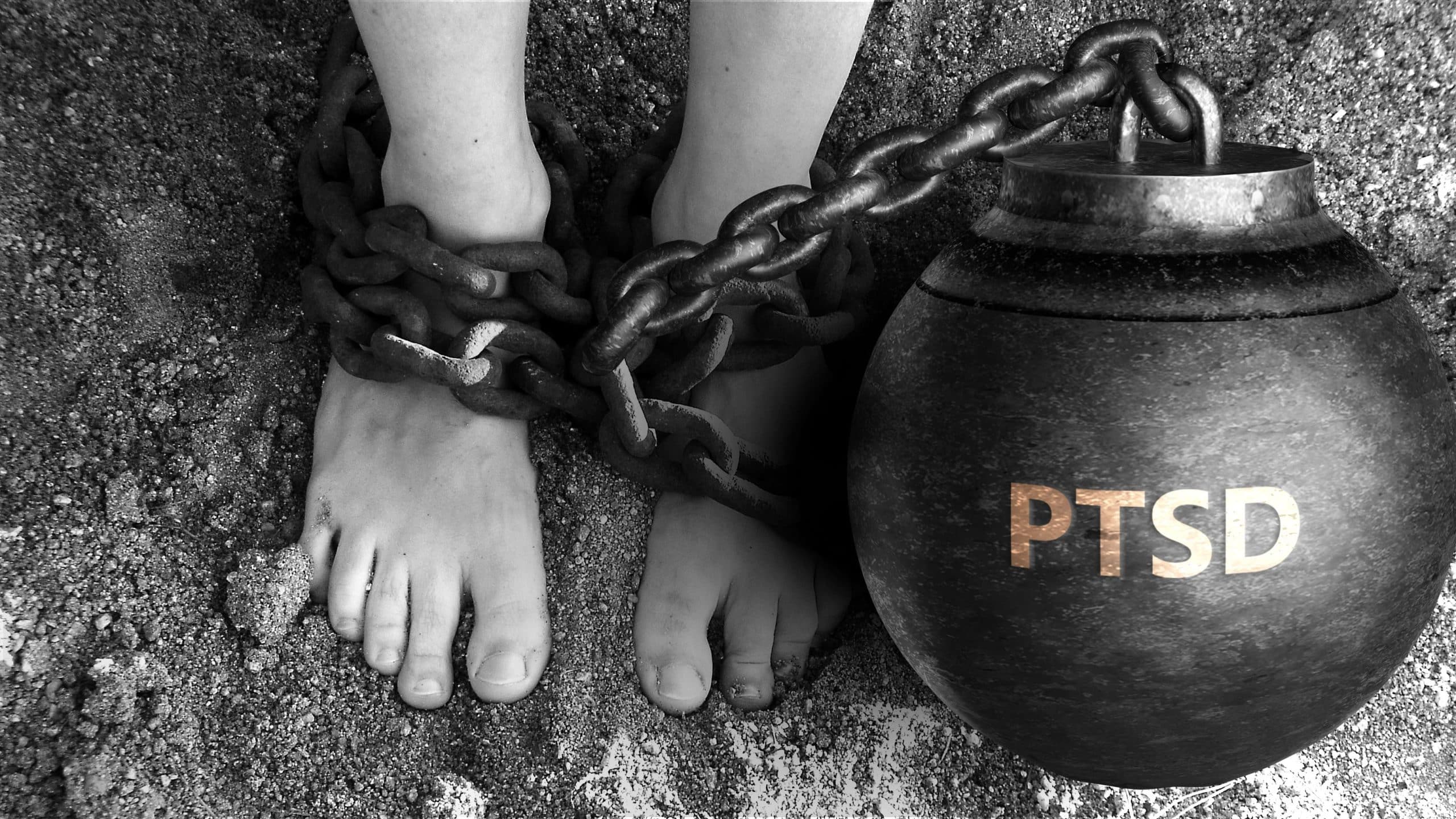
The ramifications of non-physical injuries can be profound and long-lasting. While they may not be as visible as physical injuries, they deserve the same recognition and care. That’s why it’s imperative for individuals and legal systems to understand and address the full spectrum of pain and suffering to foster healing and justice.
Find A Doctor | New York Doctors | New Jersey Doctors | Connecticut Doctors | Pennsylvania Doctors | Florida Doctors | Delaware Doctors
Medical Services | Conditions Treated | Insurance | Contact Us | Privacy Policy | Site Map | Terms of Service | Blog | Advertising
This site does not provide or endorse any medical or legal advice. All medical practices listed on this site are independently owned and operated by licensed physicians. Learn more
Copyright © 2026 Injured Call Today. All Rights Reserved.
