
Head injuries from accidents can trigger persistent symptoms that affect your quality of life. In particular, post-traumatic headaches often require medical attention from pain management specialists.
If post-traumatic headache symptoms have begun to disrupt your daily life, finding a professional on the Injured Call Today database may help you find relief. This guide explains the value of professional care when you are recovering from head injury pain and aiming to return to normal activities.
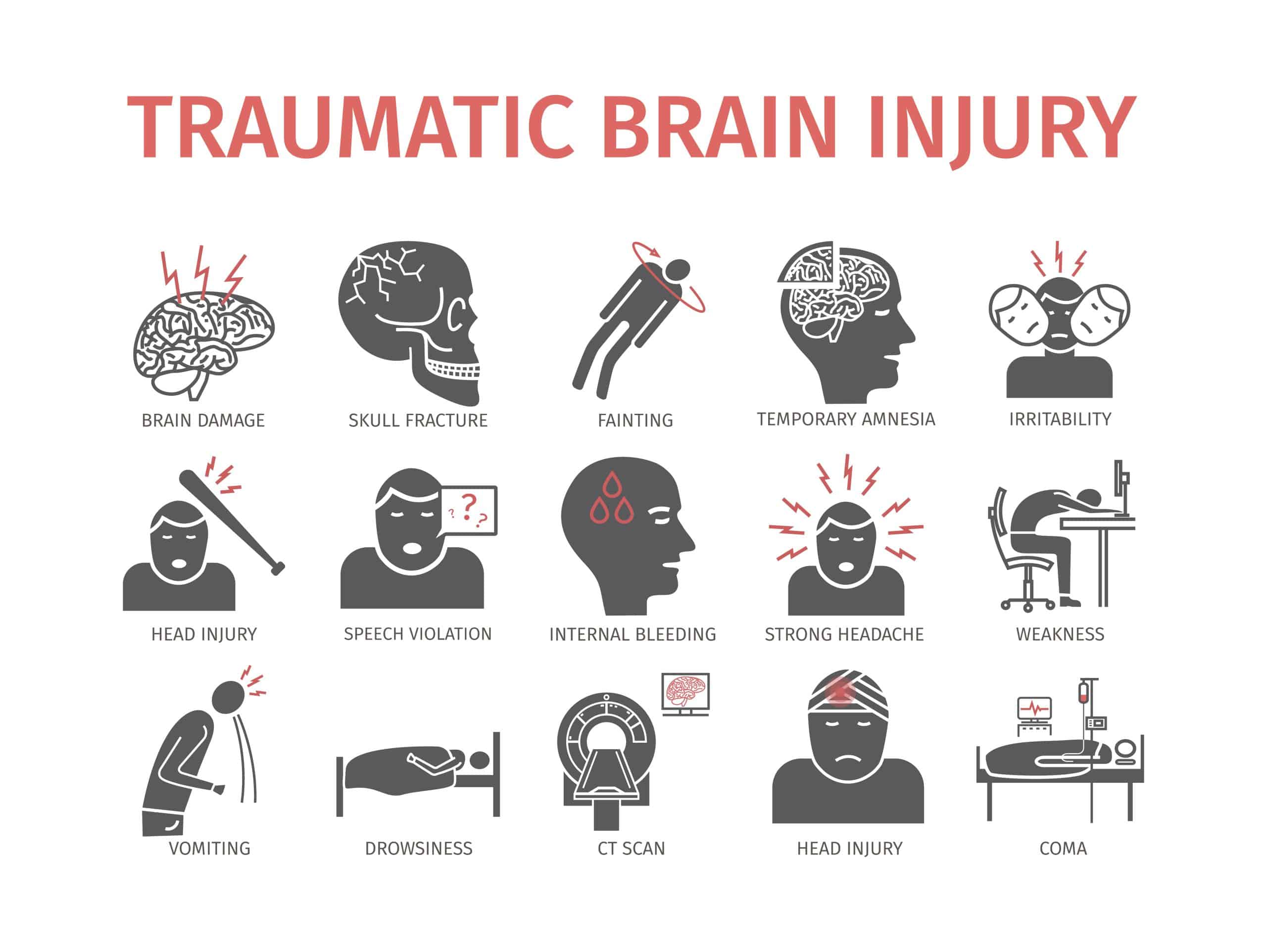
A post-traumatic headache typically develops within seven days after head trauma, such as a concussion. The discomfort can persist for weeks, months, or even years after the initial trauma.
According to research published in Neuropsychiatric Disease and Treatment in October 2025, the overall prevalence of post-traumatic headaches is around 49.3%. Patients often describe the pain as being similar to migraines or tension headaches. Throbbing pain, sensitivity to light and sound, or difficulty concentrating are common.
According to StatPearls, comparative studies showed that between 58% and 71% experience headaches within the first year after a moderate or severe traumatic brain injury. Your pain management doctor should conduct a thorough evaluation to identify the cause of your headache, including reviewing your accident history and performing a neurological examination. Brain imaging may become necessary to rule out serious complications.
The diagnostic process helps your doctor determine an appropriate post-traumatic headache treatment approach and draw up a personalized plan. Since the causes and symptoms vary, effective pain management for post-traumatic headaches may take multiple therapeutic approaches. Your treatment plan may include:
Cognitive behavioral therapy may also help relieve stress and redirect your pain perceptions.

An auto accident doctor predominantly treats injuries that occur during vehicle collisions. These medical professionals understand how common injuries like whiplash or concussive force can contribute to persistent headaches, and may identify underlying issues that general practitioners would miss. Seeking care from an experienced car accident doctor also ensures that you receive appropriate treatment quickly, which may prevent chronic pain and complications.
The primary advantage is that these doctors know how to target the root cause of your headache pain. The physician may offer peripheral nerve blocks to the occipital or trigeminal nerves for immediate relief. Alternatively, they may prescribe specific medications based on whether your headache resembles a migraine or a tension-type pattern, or recommend trigger point injections to relieve muscle-related pain that contributes to headaches.
A 2011 study published by the American Academy of Physical Medicine and Rehabilitation and updated in 2025 demonstrates the severity of post-accident headaches. This study indicated that approximately 35% of post-traumatic headache patients could not return to employment after their injury.
Effective headache relief after trauma requires ongoing monitoring and adjustment, which is why doctors must carefully track your progress and modify care. Consistent follow-up appointments allow for regular communication with your medical team, optimizing your recovery process. After all, the chances of resuming your daily activities are higher without constant pain delaying your progress.

Post-traumatic headaches typically require comprehensive medical attention from experienced professionals. Our network can connect you with qualified pain management doctors for car accidents who understand accident-related injuries and can implement the right protocols.
Call Injured Call Today at (800) 897-8440 to schedule your post-traumatic headache evaluation in New York, New Jersey, Connecticut, Pennsylvania, Delaware, Florida, and Massachusetts. Doctors listed in our directory accept most insurance plans, including workers’ compensation, no-fault, and PIP (personal injury protection). Same-day appointments may be available.
Here are answers to common questions about headache treatment after trauma.
Post-traumatic headaches may happen due to a brain injury, nerve damage, muscle tension, or inflammation following head trauma.
These post-traumatic headache symptoms can persist for three months or longer, though some patients feel the effects for years without proper treatment after a car accident.
Physical therapy can often reduce your headache frequency after a traumatic injury. The therapy aims to address muscle tension, improve posture, and restore neck movement.
You should seek immediate medical attention for persistent or worsening post-traumatic headache symptoms, especially after a head injury.