Each year, about 17,000 new spinal cord injuries are reported in the United States. Getting a handle on the severity and recovery process for these life-changing injuries is vital whether you’re a patient, caregiver, or advocate.
The spinal cord serves as a critical pathway, sending messages back and forth between the brain and the rest of the body. Harm to this delicate structure can lead to loss of movement and function, which depends on where the injury is and how severe it is.
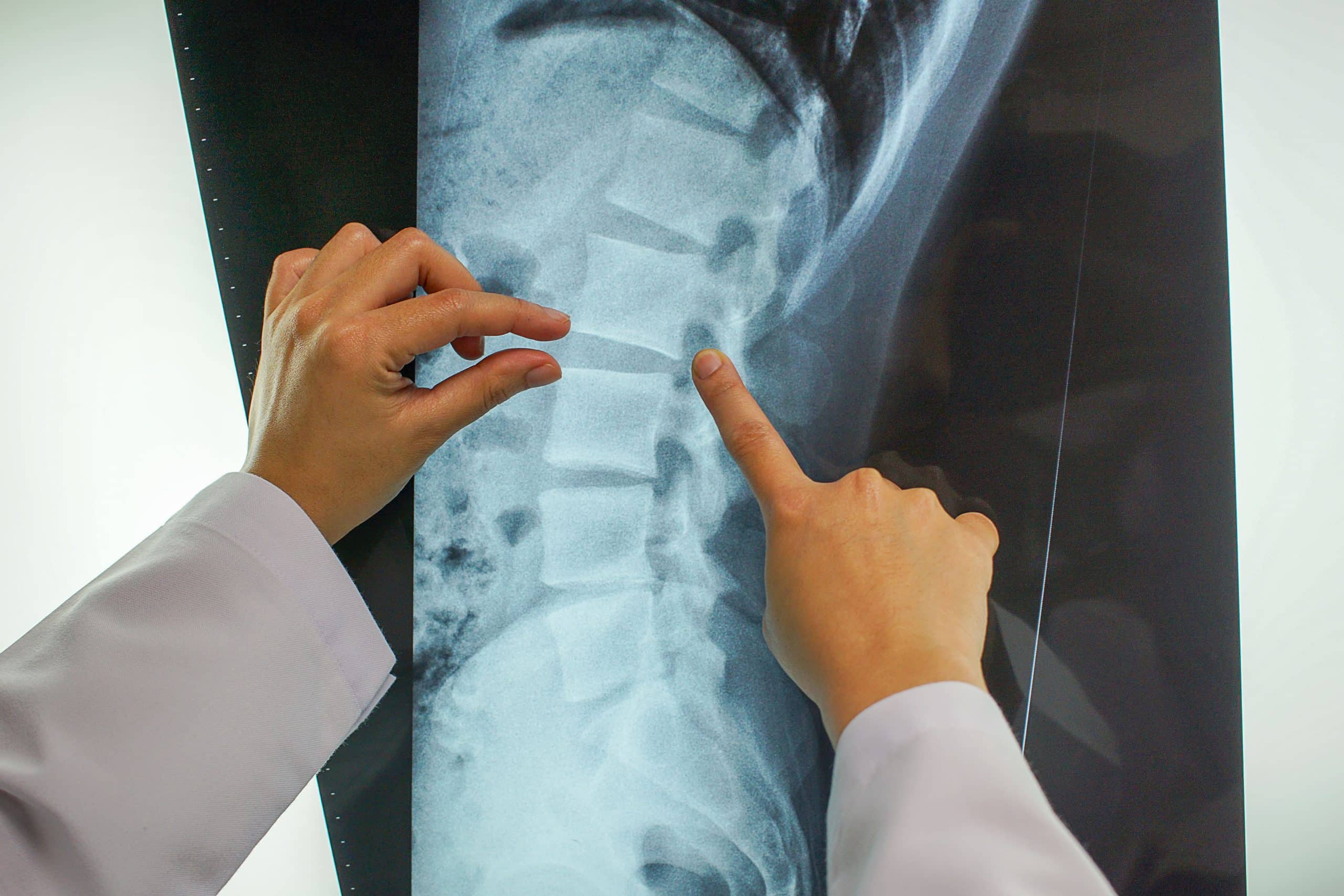
Here’s what you need to know about the severity of spinal cord injuries (SCIs):
1. Classifying SCIs
Spinal cord injuries mean partial or complete loss of communication below the damaged area. This disrupts the brain’s ability to initiate and control movement and sensation in the torso and limbs.
Tetraplegia or quadriplegia involves paralysis of all four limbs and torso due to injury in the cervical (neck) region—common injured areas of spine include C1 to C8 levels. The higher the injury occurs in the cervical spine, the more limited respiratory function becomes. Paraplegia affects the lower part of the body, often the legs. It results from injuries in the thoracic and lumbar regions down to the sacral area, with the extent of impairment varying based on the injury level.
Those with incomplete injuries retain some degree of sensation or movement below the damaged section, depending on location. Complete injuries result in a total lack of voluntary control and sensation below the injury site. Insight into functional expectations and recovery outlook comes from understanding the neurological level.
2. The ASIA Impairment Scale
The American Spinal Injury Association Impairment (ASIA) Scale grades patients from A to E. These grades come from a thorough neurological exam checking motor and sensory function below the injury level. Here’s what each grade means:
Knowing the ASIA grade provides critical data on the prognosis for future functional recovery. The ASIA Impairment Scale guidelines are periodically updated, with the most recent revision as of 2019.
The grading scale facilitates communication among clinicians and standardizes testing and documentation. Understanding ASIA scale findings lets doctors track meaningful gains or losses in sensory preservation and motor recruitment. Such patterns further guide personalized recovery plans.
3. Factors Influencing Severity
Severity depends on spinal damage location and breadth of cord compression. Imaging reveals herniated discs or bone fragments compressing the delicate cord aside from the primary injury. Pre-existing conditions also impact the body’s self-healing capability after spinal trauma. However, individual responses to the same spinal injury can vary, influenced by factors such as the body’s response to trauma and psychological resilience.
The path to recovery from SCIs usually follows the below process:
1. The Acute Phase
Initially post-injury, medical teams work to stabilize the patient, gently start rehab, prevent complications like infections and bed sores, and offer counseling for profound life changes. Early mobility fights muscle loss, but therapy remains cautious to avoid further spinal trauma during this fragile period. Close clinical monitoring ensures issues get promptly addressed.
2. Rehabilitation and Beyond
As patients stabilize, occupational and physical therapies progressively focus on strengthening capabilities and adapting to daily living. The aim is to maximize long-term function despite permanent limitations. This includes building strength, re-training gait or wheelchair mobility, bracing weak joints, and selecting personalized equipment for self-care based on individual capability. Support groups also provide peer empathy in conjunction with physical therapy.
3. Managing Long-Term Effects
Living long after a spinal cord injury requires diligent self-care to monitor for issues like pain, bowel or bladder changes, low blood pressure, and depression. Preventative health routines and periodic medical check-ups keep problems from compounding over the months and years. Home health assistance offers caregiver breaks. Psychotherapy aids in coping with the trauma post-accident. Staying active also fights functional decline.
Today’s care efforts improve quality of life better than in the past. But better solutions are still needed. Emerging yet still experimental treatments explore repairing damaged connections using approaches like cell grafts, neural scaffolds, and electrical stimulation.
Success in animal research also brings hope. Awareness and inclusion efforts help fight stigma and open more opportunities. Support groups empower those adjusting to limitations, while policy changes can empower everyone.
Spinal cord injury changes everything in an instant. Understanding the range of resulting impairment and the phases of medical rehabilitation and self-management empowers caregivers and families to make informed choices. While SCIs present devastating loss, hope always remains for resilience and living meaningfully.
Get involved with advocacy around accessibility, home health, and transportation. Consider supporting organizations and initiatives that fund spinal cord injury research and offer training for healthcare providers. Soon, you can ensure others with SCIs get what they need to build the lives they choose.
Find A Doctor | New York Doctors | New Jersey Doctors | Connecticut Doctors | Pennsylvania Doctors | Florida Doctors | Delaware Doctors
Medical Services | Conditions Treated | Insurance | Contact Us | Privacy Policy | Site Map | Terms of Service | Blog | Advertising
This site does not provide or endorse any medical or legal advice. All medical practices listed on this site are independently owned and operated by licensed physicians. Learn more
Copyright © 2026 Injured Call Today. All Rights Reserved.